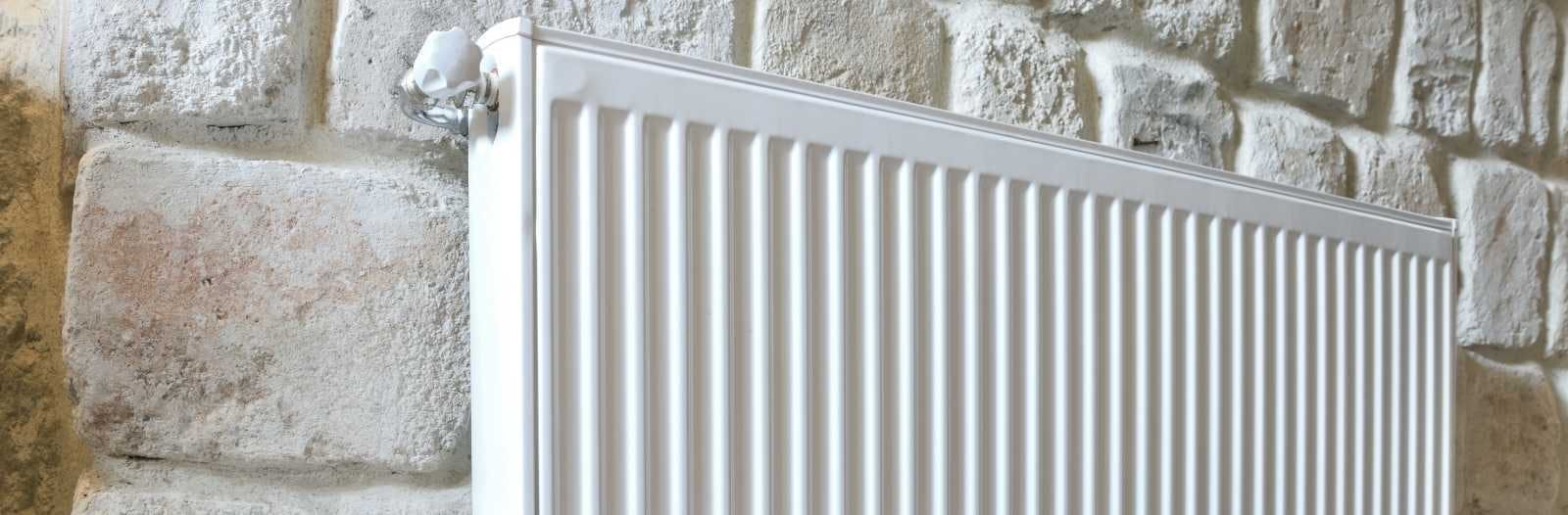
If a radiator is not heating up properly, it can quickly leave a room feeling chilly and frustrating. Before you assume the worst, there are several simple checks you can do yourself, as well as clear signs that it is time to call a qualified heating engineer.
Start with safe, simple radiator checks
Begin with the basics so you can rule out easy fixes. Always let hot radiators cool before touching them and never remove covers from the boiler or sealed components on the heating system.
Each radiator usually has two valves: a thermostatic radiator valve (TRV) on one side and a lockshield on the other. Make sure the heating is on and the room thermostat is calling for heat so you get an accurate idea of what is working and what is not.
TRV position: Check the numbered head is turned up, usually to 4 or 5.
Lockshield open: The plastic cap should be in place and not fully closed.
Compare rooms: Note which radiators are hot, lukewarm or completely cold.
If you are unsure about valve types or anything looks damaged, avoid forcing it and move straight to speaking with an engineer.
Single radiator cold compared with other radiators
If just one radiator is cold while the rest of the system heats normally, the problem is usually local to that radiator. This makes diagnosis a bit easier and often points to valves, trapped air or a blockage around that unit.
Checking the TRV and lockshield on one radiator
On the TRV side, turn the head fully open then gently feel (or listen) for water flow once the system is hot. A properly working TRV should allow the pipe immediately below it to get warm when calling for heat.
On the lockshield side, the cap usually hides a small spindle. This should normally be partly open. If the radiator is stone cold and the pipe is cold as well, a plumber can adjust and rebalance it, but you should avoid fully closing or yanking the valve, as this can cause leaks.
Bleeding air from a single cold radiator
Air trapped at the top of a radiator stops hot water filling it properly. The classic sign is a radiator that is warm at the bottom but cold or cool at the top. In that case, bleeding is often all that is needed.
To bleed safely, switch the heating off and let the system cool. Use a proper radiator key and a cloth, turn the small bleed screw slowly and listen for air hissing out. Once water flows steadily, close it gently. Then check the boiler pressure, as bleeding lowers the system pressure.
When several radiators are cold or only partly warm
If more than one radiator is not heating up, you need to step back and think of the system as a whole. Look for patterns, such as which floor is affected or whether radiators are hot at the top but cold at the bottom.
Upstairs radiators cold vs downstairs radiators cold
If upstairs radiators are cold while downstairs are hot, this can suggest low system pressure or air gathering at high points. Check the pressure gauge on your boiler. On most sealed systems it should sit around 1 to 1.5 bar when cold.
If downstairs radiators are cold and upstairs are hot, water may not be circulating properly around the lower level. This could be a pump issue or a sign the system needs balancing, which is usually a job for an engineer.
Checking boiler pressure and system status
Look at the boiler display for error codes or flashing lights, and check that the heating mode is selected. If the pressure is too low, your user manual will normally explain how to top it up using the filling loop.
If the pressure keeps dropping, the boiler shows repeated faults, or you are not confident using the filling loop, stop there and contact a professional for boiler repairs rather than trying to fix it yourself.
Cold at the bottom, dirty water and sludge build-up
Radiators that are hot at the top but noticeably cold at the bottom usually point towards sludge or debris in the system. Sludge is a mix of rust and dirt that gradually settles in the lowest parts of radiators and pipework.
Another clue is what comes out when you bleed a radiator. If the water is very dark, gritty or has a metallic smell, that suggests corrosion inside the system. While a small amount of discolouration is normal, very dirty water across several radiators is a warning sign.
How power flushing helps a sludged system
Power flushing is a professional cleaning process that uses specialist equipment to move water and cleaning chemicals through the heating system at speed. The goal is to dislodge sludge and rust, then filter it out so radiators and pipework can heat evenly again.
It is not something to attempt yourself, as it connects directly to the system and needs careful control. However, if several radiators are cold at the bottom and the system is slow to heat, asking an engineer about heating and power flush services can be a sensible long-term fix.
When balancing and other engineer-only tasks are needed
Even when everything is technically working, heat may not be shared fairly between radiators. Balancing is the process of adjusting lockshield valves around the system so each radiator receives the right flow of hot water.
This can involve multiple small tweaks and temperature measurements, so it is usually more efficient to have a heating engineer handle it. They can also check pump performance, system design, and whether a power flush or boiler repair would help the overall efficiency.
Safety guidance and what to avoid
Always let radiators cool before working on valves or bleeding points, and keep children and pets away while you are testing the system. Use tools designed for the job rather than makeshift alternatives that can slip or damage fittings.
Do not force stuck valves or grips with excessive pressure.
Do not remove boiler covers or touch internal components.
Do not leave the filling loop connected or over-pressurise the system.
Do not attempt your own power flush or chemical dosing without guidance.
If you smell gas, see signs of burning, or suspect a carbon monoxide issue, switch the system off, ventilate the area and contact the appropriate emergency services and a Gas Safe registered engineer immediately.
When to Tackle Radiator Issues Yourself and When to Call an Engineer
Work through the simple steps in order: confirm TRVs are open, bleed any radiators that are cold at the top, and then recheck boiler pressure. Note which radiators are affected and whether the pattern is a single radiator cold, several radiators cold, or an upstairs vs downstairs split.
If radiators are cold at the bottom, water from bleeding is very dirty, or some radiators never heat fully even after your checks, it is time to bring in a professional. Ongoing issues with pressure, boiler error codes or suspected pump faults also point towards expert help, such as a dedicated boiler repair or power flush service.
If your radiators are still not heating up as they should, the safest and quickest way to restore comfort is to speak with a qualified heating engineer. Plumbing & Heating Surgeons can assess your full system, carry out safe diagnostics, and advise on heating and power flush options or boiler repairs where needed. To book an appointment or request advice, call Plumbing & Heating Surgeons on 01296200240.