If your boiler keeps losing pressure, it can be worrying, especially when it starts affecting your heating and hot water. Understanding what is going on helps you stay safe, avoid damage, and know when it is time to call a professional.
What boiler pressure actually means
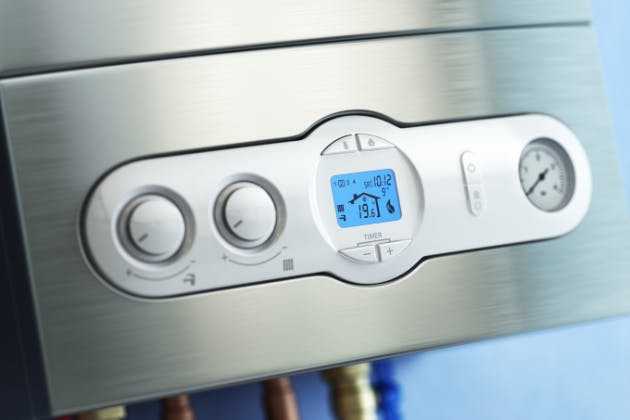
Most modern combi and system boilers have a pressure gauge on the front, usually showing between 1.0 and 1.5 bar when the system is cold. As the water heats and expands, the pressure will rise slightly.
If the pressure drops too low, the boiler may lock out to protect itself, leaving you with no heating or hot water. A one-off small drop is not always urgent, but repeated loss of pressure usually points to an underlying issue.
Common reasons your boiler is losing pressure
There are a few typical causes when a boiler will not hold pressure. Some are relatively minor, while others need a heating engineer to investigate properly.
Small system leaks: Tiny leaks on radiators, valves, or pipe joints can let water escape slowly.
Recently bled radiators: Letting air out can also release a little water, dropping the pressure.
Faulty pressure relief valve: If this safety valve sticks slightly open, water can discharge outside.
Expansion vessel issues: A failed or flat vessel means pressure swings too much and is often lost.
Topping up too often: Regularly adding water can hide a leak and introduce more air and sludge.
Small leaks on radiators and valves
One of the most frequent reasons for pressure loss is a slow, often barely noticeable leak somewhere on the system. This could be a drip from a radiator valve, a tiny seep from a pipe joint, or corrosion on an older radiator.
Because the leak is small, you might not see obvious puddles. Over time though, the system pressure falls and needs to be topped up more and more often.
Radiators recently bled
If you have just bled your radiators to remove air, a small pressure drop is normal. When air escapes, a little water can go with it, and the system volume changes.
In this case, topping the pressure back up to the recommended level is usually fine. If it keeps dropping again after a few days, there is likely another problem.
Pressure relief valve and expansion vessel problems
The pressure relief valve is a safety device that allows water to escape if the system pressure gets too high. If it is faulty or has been triggered repeatedly, it may weep water through the discharge pipe outside.
The expansion vessel absorbs pressure changes as the system heats and cools. If the air charge in the vessel is lost or the internal membrane fails, pressure will fluctuate more wildly and can cause frequent low-pressure lockouts.
Safe checks you can do at home
There are a few simple, non-technical checks you can carry out without taking the boiler apart. If anything looks unsafe or you are unsure, stop and call an engineer.
Look for signs of leaks around your home
Walk around and check the radiators, valves, and any visible pipework. Look for damp patches, staining, rust marks, or green/white crusty deposits on joints which can indicate a slow leak.
Have a look beneath radiators, under pipe runs, and on ceilings below upstairs radiators. Even a faint watermark or flaking paint can suggest water has been escaping for some time.
Check the pressure gauge and note patterns
Make a note of the pressure reading when the system is cold, then again when it has been running. Also note how quickly the pressure drops after topping up.
If it falls from, say, 1.5 bar to below 1.0 bar within a day or two, that usually points to a leak or internal boiler fault that needs attention.
Record any fault codes on the boiler
Many modern boilers show fault codes when they shut down due to low pressure or another issue. Take a photo of the display or write the code down before resetting anything.
This information is very helpful for your heating engineer and can speed up diagnosis and repair.
When to stop DIY and call an engineer
It is fine for most homeowners to check the gauge, look for obvious leaks, and top the pressure up occasionally following the manufacturer instructions. But there are clear points where you should stop and get professional help.
The pressure keeps dropping even after you top up, especially within hours or days.
You notice dampness, dripping, or staining near the boiler or on the copper pipes below it.
Your heating or hot water is unreliable, radiators stay cold, or the boiler frequently locks out.
You can see water coming from the pressure relief pipe outside when the boiler runs.
Never take the boiler casing off yourself. Internal components, gas connections, and flues must only be worked on by a Gas Safe registered engineer.
If you are repeatedly topping up the system, stop and arrange a visit. Constantly adding fresh water can corrode the boiler and radiators from the inside, turning a small issue into a much bigger repair.
Preventing repeat boiler pressure drops
Once the immediate problem is sorted, it is worth thinking about the overall health of your heating system. Regular boiler servicing helps spot worn parts, early leaks, or expansion vessel issues before they cause frequent pressure loss.
Sludge and air in the system can also contribute to pressure problems and poor circulation. If radiators have cold patches or you hear gurgling, your engineer may suggest cleaning the system, such as with a power flush, to restore flow and protect your boiler.
Routine checks, like glancing at the pressure gauge every week or two, can catch small changes early.
For breakdowns, noisy boilers, or ongoing pressure issues, a prompt boiler repair can prevent further damage and get your heating back up and running reliably.
Need help with a boiler that keeps losing pressure?
If your boiler pressure will not stay put, or you are worried about possible leaks, it is better to get it checked sooner rather than later. A qualified engineer can trace the fault, fix it safely, and advise on keeping your system in good condition.
To book a visit or get quick advice, contact Plumbing & Heating Surgeons today. Call 01296 200 240 for fast, professional help with boiler pressure problems and all your heating needs.