If your boiler has started making a banging noise, it can be unsettling and easy to fear the worst. In many cases, there is a clear cause and a straightforward fix, but it is important to stay safety focused and avoid tampering with gas components.
Common causes of a banging boiler
Boiler noises are usually a sign that something is not quite right with water flow, heat transfer or system controls. Paying attention to the type of sound and when it happens can help point in the right direction.
A loud banging, popping or rumbling noise while the boiler is firing is often linked with kettling. This happens when limescale or sludge builds up inside the heat exchanger, causing water to overheat and bubble like a kettle.
Sharp bangs or knocking in the pipework, especially when valves open or close, can indicate water hammer. This is where water suddenly stops or changes direction, sending pressure waves through the pipework. Other common culprits include faulty pumps, trapped air in radiators and overheating due to thermostat or sensor issues.
Kettling: limescale or sludge restricting water flow in the boiler
Water hammer: sudden pressure changes in the pipework
Pump problems: seized, stuck or incorrectly set circulation pump
Trapped air: gurgling and knocking in radiators and pipes
Control faults: overheating from faulty thermostats or sensors
Safe checks you can do yourself
Some basic checks are safe for most homeowners and can help rule out simple issues. If at any point you feel unsure, stop and contact a Gas Safe registered engineer.
Checking boiler pressure
Most modern boilers have a pressure gauge on the front. When the system is cold, many domestic systems are generally happiest in the region of around 1 to 1.5 bar. If the pressure is very low or very high compared with the manufacturer label on the boiler, it can contribute to noise and poor circulation.
If you know how to safely top up the pressure using the filling loop, follow your boiler handbook guidance. If not, or if the pressure keeps dropping or rising, turn the boiler off and arrange a professional inspection.
Bleeding radiators to remove air
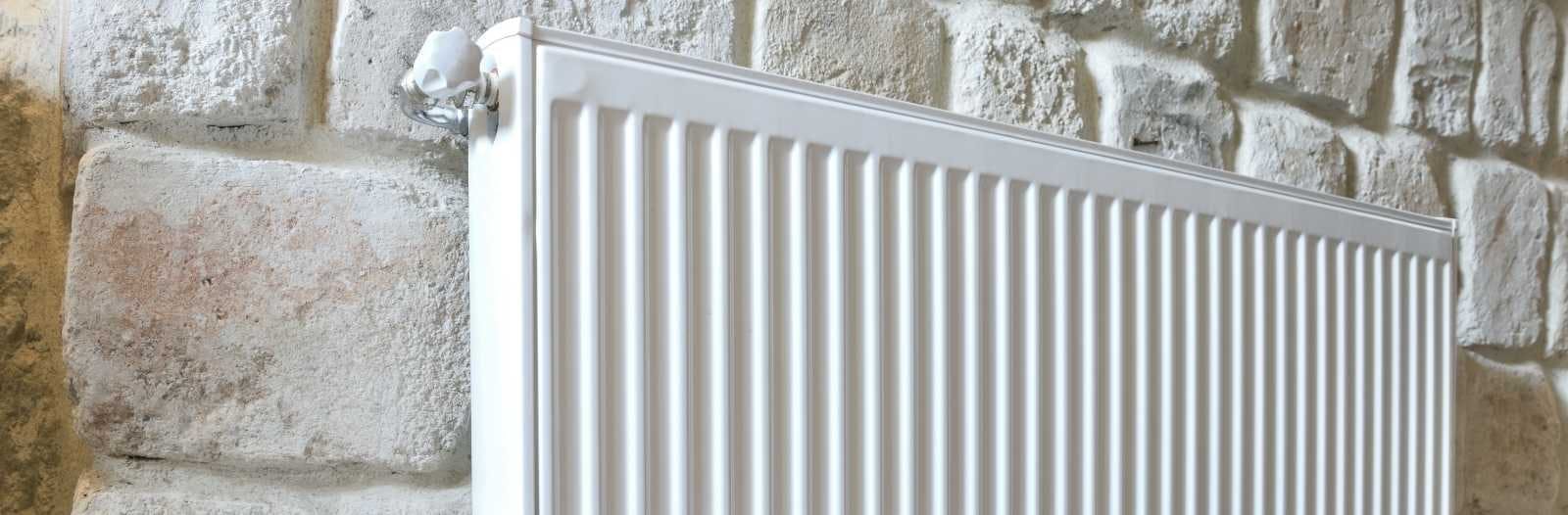
Trapped air can cause banging, gurgling and cold spots on radiators. With the heating system off and radiators cool, you can use a radiator key to slowly open the bleed valve at the top of each radiator.
Have a cloth or small container ready to catch water. When air stops hissing and water flows steadily, close the valve. Check the boiler pressure afterwards, as bleeding can lower it, and only top up if you are confident in doing so safely.
Checking room thermostats and timers
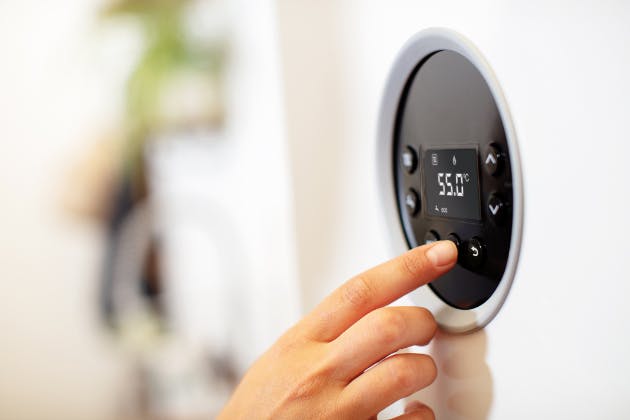
If your boiler seems to cycle on and off rapidly with banging or clunking each time, have a look at your room thermostats and programmers. Make sure they are set to sensible temperatures and timings, and that no one has accidentally turned them up very high.
Simple settings checks are fine, but if you suspect a faulty thermostat or wiring, do not attempt electrical or control repairs yourself.
Hard water, kettling and Buckinghamshire homes
Much of Buckinghamshire, including areas around Milton Keynes and Aylesbury, is classed as hard water. Hard water contains higher levels of minerals like calcium, which leave limescale deposits inside boilers and pipes over time.
Limescale can build up on the heat exchanger, narrowing water passages and causing hot spots. Water can then flash to steam and collapse back, creating the kettling sound many homeowners describe as banging, popping or rumbling.
In more serious cases, sludge and limescale together can restrict flow throughout the system. Radiators may heat unevenly, and the boiler may overheat and cut out frequently. Kettling not only causes noise, it can shorten the life of the boiler and reduce efficiency.
When a system clean or power flush may help
If an engineer finds significant sludge or limescale in your heating system, they may recommend a chemical clean or power flush. This involves circulating cleaning chemicals through the pipework and radiators to break down deposits, followed by thorough flushing.
A correctly carried out power flush can help restore quieter operation, improve heat output and reduce cold spots on radiators. In hard water areas, fitting a scale reducer or magnetic filter alongside routine servicing can help slow future build-up.
Clear signs to switch off and call a Gas Safe engineer
While some noises are more nuisance than danger, certain warning signs mean you should switch the boiler off and seek professional help immediately. Safety must always come first with gas appliances.
Any smell of gas around the boiler, meter or pipework
Carbon monoxide alarm sounding or showing a warning
Visible leaks from the boiler or nearby pipework
Boiler repeatedly locking out or showing fault codes
Very loud, violent banging or knocking when the boiler fires
If you suspect a gas leak, turn off the gas at the meter if it is safe to do so, open windows and doors, and follow official emergency guidance. Do not use naked flames or electrical switches. For less urgent issues such as ongoing banging and frequent lockouts, keep the boiler turned off until a Gas Safe engineer has checked it.
FAQ: safety and ongoing use
Is a banging boiler dangerous?
A banging boiler is not automatically dangerous, but it is always a sign that something is not right. Problems like kettling, pump faults or trapped air can often be resolved without any risk to your household if addressed promptly.
Can I keep using the boiler?
If the noise is mild, there are no warning signs and the boiler is otherwise working normally, you may be able to use it in the short term while you arrange a visit. That said, ongoing banging can worsen damage and reduce efficiency, so it is best not to ignore it.
If the banging is loud, frequent or getting worse, or if the boiler keeps cutting out, turn it off and leave it off until it has been professionally checked.
Next steps and local help
If your boiler is making a banging noise and you are in any doubt, it is always safer to have it properly inspected. A trained engineer can check for kettling, pump issues, trapped air, pressure problems and thermostat faults, then advise on the right fix, from a simple reset to a system power flush.
For a calm, expert diagnostic visit, contact Plumbing & Heating Surgeons on 01296200240. You can also read more about our boiler repairs and power flush services.