
A clear guide to the checks, preparation and paperwork involved in a typical annual boiler service.
Blog
What happens during a boiler service? A homeowner checklist
Plumbing And Heating Surgeons Ltd
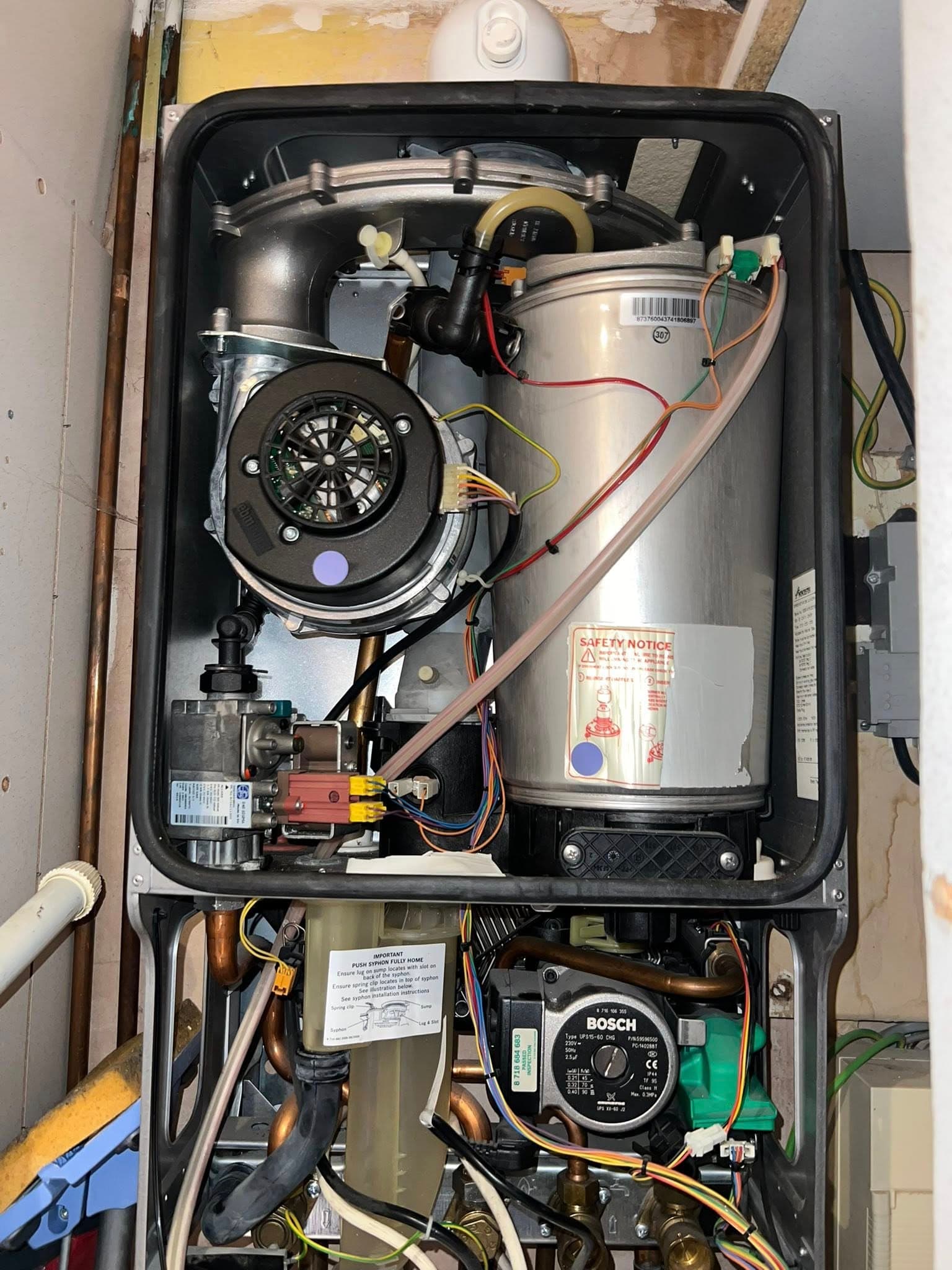
An annual boiler service is more than a quick visual check. A qualified engineer assesses the boiler, flue, controls and safety systems, looking for signs of wear, unsafe operation or developing faults. Understanding the process helps you prepare properly and know what to expect when the appointment takes place.
What happens during a boiler service?
The exact procedure varies between boiler makes, models and installation types, so an engineer will follow the manufacturer’s instructions as well as relevant gas safety guidance. A service is designed to confirm that the boiler is operating safely and efficiently, rather than guaranteeing that every possible future fault has been ruled out.
Initial visual checks
The engineer will usually begin by inspecting the boiler and the surrounding installation. This can include checking for visible damage, corrosion, water leaks, signs of overheating, suitable ventilation and whether the boiler appears to have been installed and maintained correctly.
They may also look at the condensate pipe, external flue terminal, heating controls and nearby pipework. Any unusual noise, odour, staining or previous fault code should be mentioned at this stage, even if the boiler appears to be working normally.
Combustion and flue checks
Combustion testing is an important part of a gas boiler service. Using calibrated equipment, the engineer checks the gases produced while the boiler is running and compares the results with acceptable readings for that appliance.
The flue is checked for secure connections, damage, obstruction and signs that combustion gases could enter the property. Where accessible, the engineer may inspect the flue route and confirm that the terminal outside is correctly positioned and clear.
Safety devices and internal components
Safety controls and protective devices are checked to ensure they respond as intended. Depending on the boiler, this may include checks of temperature limits, pressure protection, flame supervision and other components that shut the appliance down if unsafe conditions develop.
The engineer may remove the boiler casing to inspect internal parts, but the work carried out will depend on the appliance design and manufacturer’s servicing requirements. Seals, connections and combustion chamber components are checked for deterioration, with replacement recommended where needed rather than assumed to be part of every routine service.
Pressure, expansion vessel and basic cleaning
System pressure is checked against the boiler manufacturer’s guidance. The engineer may also assess the expansion vessel and pressure relief arrangements, although the precise tests and adjustments vary by model and system type.
Basic cleaning may be carried out where appropriate, such as removing dust or accessible deposits from relevant components. A full chemical flush, heat exchanger descaling or replacement of parts is not normally included in a standard service unless separately agreed or required by the findings.
Clear access to the boiler, controls and nearby pipework.
Note any unusual noises, smells, leaks, pressure changes or fault codes.
Have the boiler manual and installation paperwork available if possible.
Know the location of the filling loop and main stopcock.
Keep previous service records ready for the engineer to review.
How to prepare for your appointment
Clear stored items, cupboards or laundry from around the boiler so the engineer can work safely and inspect the appliance. Do not remove the boiler casing yourself, and avoid attempting to reset or adjust components before the appointment unless the manufacturer’s instructions specifically advise it.
Make a note of when symptoms occur. For example, banging sounds during heating may point towards kettling, while falling pressure or intermittent hot water can help the engineer narrow down the cause. In Buckinghamshire, hard water and limescale can contribute to kettling and reduced heat transfer, which is one reason regular maintenance matters. You can read more in our guide to boiler kettling.
How long does a boiler service usually take?
A routine service commonly takes around 30 to 60 minutes, although the time can be longer for difficult access, older appliances, complicated systems or any issue that needs further investigation. Your engineer should explain if additional checks or work are needed before carrying out anything beyond the agreed service.
At the end, you should receive a clear explanation of the findings and any recommendations. A service record may include the appliance details, test results, safety observations and details of work completed. Keep this documentation, particularly if you are a landlord or plan to sell or rent the property.
Service or repair?
A service is preventive maintenance and safety testing. It can identify worn components, poor combustion, leaks or pressure problems before they develop into a breakdown, and a correctly adjusted, clean boiler may operate more efficiently.
A repair is separate work to correct a confirmed fault, such as replacing a failed pump, valve, sensor or seal. A service may reveal the need for a repair, but it should not automatically include replacement parts or extensive remedial work. For more information, see our boiler repair service.
Book your annual boiler service
Regular servicing helps reduce breakdown risk, supports safe operation and gives you a useful record of your heating system’s condition. For confidence that the work is completed properly, book with a qualified Gas Safe engineer who can explain the checks and advise on any follow-up repairs.
To arrange a boiler service, contact Plumbing & Heating Surgeons on 01296200240. The team can discuss your boiler, prepare you for the appointment and recommend suitable next steps if the service identifies a fault.
Other Articles


