
Which pipes are most at risk, simple ways to protect them, and what to do if one freezes or bursts.
Blog
How to stop your water pipes freezing this winter
Plumbing and Heating Surgeons Ltd
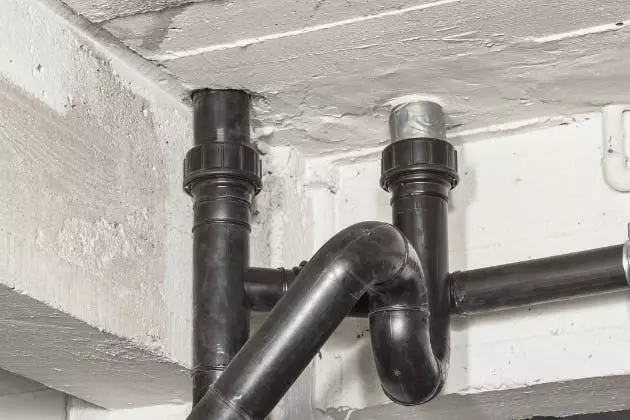
A frozen pipe is more than an inconvenience. When water freezes it expands, and that can split a pipe or push a joint apart. Often nobody notices until the thaw, when water starts pouring through a ceiling or into a cupboard. The good news is that most frozen pipes can be prevented with a few cheap jobs done before the coldest weather arrives.
This post covers which pipes are most at risk, how to protect them, what to do if a pipe freezes, and what to do if one bursts. Never use a blowtorch, a heat gun or any naked flame to thaw a pipe.
Which pipes are most at risk
Pipes freeze where they're cold and the water in them sits still. The ones to check first are:
pipes and the cold water tank in the loft
pipes in a garage, outbuilding or utility room with no heating
pipes running along outside walls or under suspended floors
the outside tap and the pipe that feeds it
any pipe near an air brick, vent or draughty gap
If you're not sure where your pipes run, follow them from the stopcock and from the loft tank. Anywhere they pass through a space you don't heat is worth protecting.
Protect your pipes before the cold sets in
Lag exposed pipes. Foam pipe lagging is cheap and easy to fit. Measure the pipe, cut the lagging to length and tape the joins, paying most attention to bends and valves, where gaps are easy to leave.
Insulate the loft tank, not under it. Wrap the sides and top of the cold water tank with a proper tank jacket. Leave the loft insulation away from directly underneath the tank, so warmth from the house below can reach it.
Look after the outside tap. Turn off the isolating valve on the pipe that feeds it (usually inside, under the kitchen sink or near where the pipe goes through the wall), then open the outside tap to let it drain. An insulated tap cover gives it extra protection. If there's no isolating valve, it's worth having one fitted.
Fix dripping taps and overflows. A slow drip can freeze in a waste or overflow pipe and block it, and a constantly running overflow is a sign a valve needs attention anyway.
Seal draughts near pipes. Fill gaps where pipes pass through outside walls, but never block air bricks or vents that are there for ventilation.
Keep the house warm enough
Cold, empty houses are where most pipes freeze. In a cold snap, keep the heating on low rather than off, or set it to come on for a while each day. Many thermostats and controls have a frost setting for this. If you're going away, don't switch the heating off completely, and check what your home insurance says about leaving the house empty in winter, as some policies have conditions.
On the coldest nights, leaving the loft hatch open lets some warmer air into the loft, and opening the cupboard doors under sinks on outside walls helps the same way.
Your boiler's condensate pipe can freeze too, which stops the boiler rather than splitting a water pipe. Our guide to a frozen condensate pipe explains how to spot it and thaw it safely.
Know where your stopcock is
The stopcock (stop tap) turns off the water to the whole house. It's usually under the kitchen sink, but it can be in a downstairs toilet, a cupboard by the front door or under the stairs. Find it now, and check it turns. A stopcock that hasn't moved in years can seize, and the middle of a burst is the worst time to find out.
If it's stiff, don't force it, as you could damage it. Having a seized or leaking stopcock replaced is a small job, and it's a good one to add to a plumbing maintenance visit.
If a pipe freezes
Signs of a frozen pipe include a tap that gives no water or only a trickle on a cold morning, frost on a pipe, or a toilet cistern that won't refill.
Turn off the water at the stopcock. If the pipe has already split, this stops water pouring out when it thaws.
Open the tap the pipe feeds, so melting water has somewhere to go.
Thaw it slowly. Start at the tap end and work back along the pipe, using a hot water bottle, towels soaked in warm water or a hairdryer on a low setting, kept moving. Keep electrical appliances away from any water.
Check the pipe for splits before turning the water back on, and look out for drips once it's back on.
If you can't reach the frozen section, or it's in a place you'd struggle to get to safely, leave it to a plumber.
If a pipe bursts
Turn off the water at the stopcock straight away.
Switch off your boiler or immersion heater, then open the cold taps to drain the water left in the pipes.
Keep away from electrics. If water is near sockets, lights or the consumer unit, switch the electricity off at the consumer unit, but only if you can reach it without standing in water.
Catch what you can with buckets and towels, and move furniture and valuables out of the way.
Take photos of the damage for your insurer, and keep a record of any repair work.
Don't try to seal a split pipe with tape or a temporary clamp and then turn the water back on. It can make the leak worse.
Getting it fixed
A burst pipe needs fixing quickly. One customer who called us about a leaking water pipe said our engineers "arrived promptly, were professional and friendly, and quickly got to work fixing the issue." Our emergency plumbing page explains what to do while you wait and how we make the leak safe first.
Other Articles


