Blog
Boiler Losing Pressure? Causes, Simple Fixes & When to Call a Heating Engineer
What to do when your boiler is losing pressure
If your boiler is losing pressure, it can quickly become more than an irritation — it may leave you without heating or hot water and, in some cases, cause the boiler to lock out as a protective measure. Understanding what pressure readings mean and which checks you can safely carry out will help you decide when a simple top-up is enough and when to call a professional.
What boiler pressure actually means
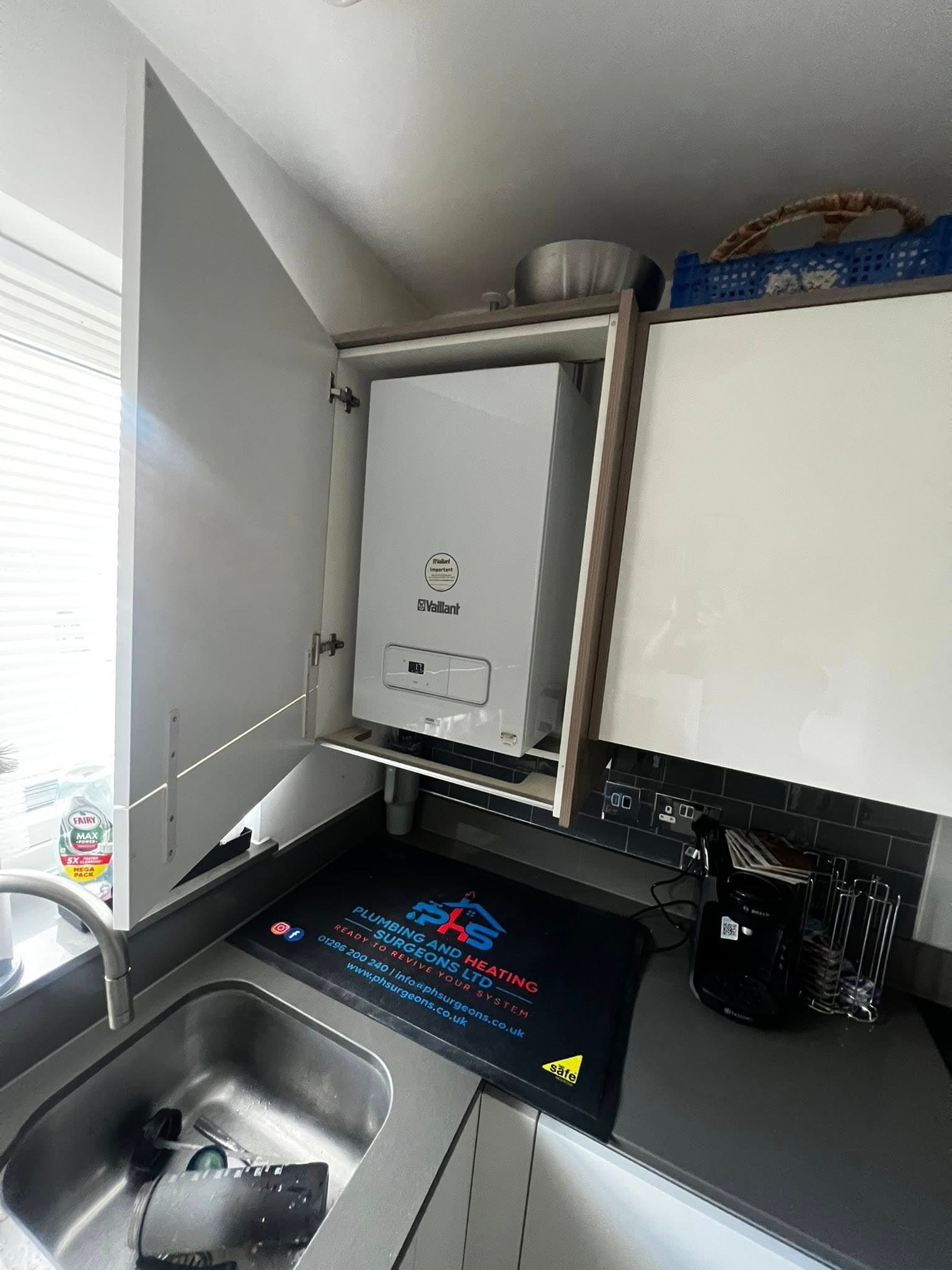
Most modern combi and system boilers display a pressure gauge on the front. A cold system will usually sit around a typical baseline; as the water heats and expands, the reading will rise slightly. A steady and appropriate pressure keeps the system functioning correctly; persistent low pressure or repeated drops usually indicates an underlying fault that needs attention.
Why low pressure matters
When pressure falls too far the boiler’s safety systems can trigger a lockout, cutting off heating and hot water. Repeatedly topping up the system without finding the cause can hide a leak, introduce air or sludge, and accelerate corrosion inside the boiler and pipework.
Common causes of a boiler losing pressure
Several issues commonly cause pressure loss. Some are simple to resolve, others require a heating engineer:
- Small system leaks: Slow leaks on radiators, valves or pipe joints can let water escape without producing obvious puddles.
- Recently bled radiators: Removing trapped air can release a small amount of water, temporarily lowering pressure.
- Faulty pressure relief valve (PRV): A PRV that is sticking or has been triggered may weep water via the discharge pipe.
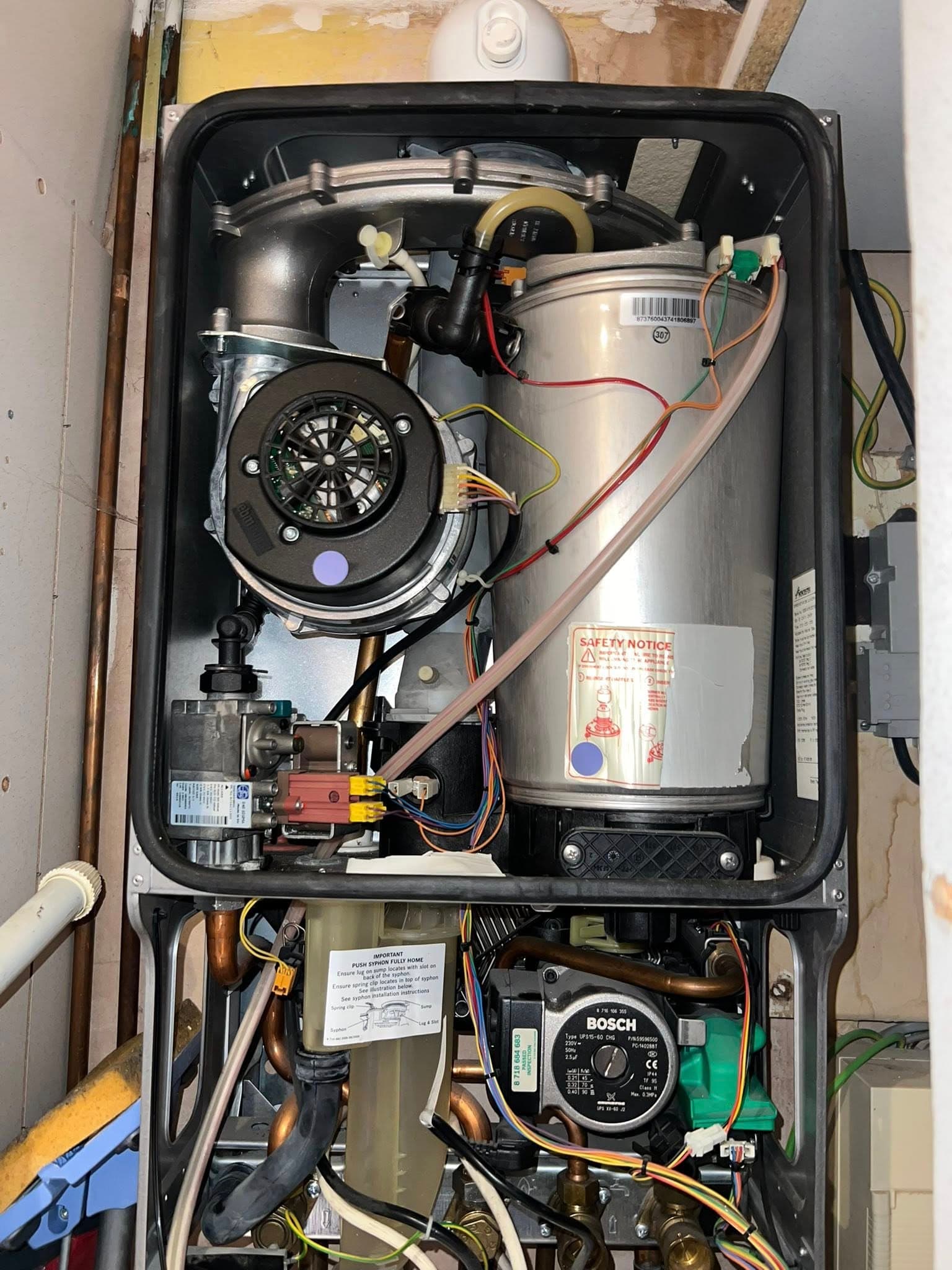
- Expansion vessel problems: A lost air charge or a ruptured membrane in the expansion vessel prevents it from absorbing pressure changes.
- Masking a leak by topping up: Frequently adding water can conceal an ongoing leak while introducing extra air and sludge to the system.
Spotting small leaks on radiators and valves
Slow leaks are one of the most frequent reasons for gradual pressure loss. Common signs include damp patches, staining, rust around joints or valves, and crusty mineral deposits on copper pipework. Check beneath radiators, along visible pipe runs and on ceilings under upstairs radiators for any evidence of escaping water.
Because the leak may be small, you might not see a clear puddle. If the system requires increasingly frequent top-ups, a careful inspection or an engineer’s leak detection may be necessary.
Radiators you’ve recently bled
Bleeding radiators to remove air can cause a modest, temporary drop in system pressure. Topping the pressure back to the recommended cold level after bleeding is usually sufficient; however, if the pressure continues to fall over the following days, this suggests another fault such as a leak or an internal issue with the boiler.
Pressure relief valve and expansion vessel faults
The pressure relief valve is a safety device designed to discharge water if pressure gets too high. If it is faulty or has been repeatedly activated, it can allow small amounts of water to escape via the external discharge pipe.
The expansion vessel accommodates the expansion and contraction of water as it heats and cools. If its air charge is lost or the internal membrane fails, the system will experience larger pressure swings and may frequently show low-pressure lockouts.
Safe checks you can do at home
There are a few non-technical checks you can perform safely. If anything looks unsafe, or if you are unsure, stop and contact a qualified engineer.
- Visually inspect radiators, visible pipework and valves for signs of damp, staining or corrosion.
- Note the pressure gauge when the system is cold, when hot and after you top up. Rapid drops within a day or two generally indicate a leak or internal fault.
- Record any fault codes displayed on the boiler and photograph the display before resetting — this helps the engineer diagnose the issue more quickly.
When to stop DIY and call a heating engineer
Topping up the system occasionally and checking for obvious leaks is reasonable for most homeowners. You should call a Gas Safe registered engineer if any of the following apply:
- Pressure keeps dropping even after topping up, especially within hours or days.
- You notice dampness, dripping or staining near the boiler, on pipework or beneath radiators.
- Your heating or hot water is unreliable, radiators remain cold, or the boiler frequently locks out.
- Water is discharging from the pressure relief pipe while the boiler is running.
- Any work would require removing the boiler casing — internal components, flues and gas connections must only be handled by a qualified engineer.
If you find yourself repeatedly topping up the system, stop adding water and arrange a diagnostic visit. Constantly introducing fresh water can accelerate corrosion and turn a small repair into a major one.
Preventing repeat pressure loss
Regular maintenance is the most effective way to prevent recurring pressure problems. Annual servicing can identify worn parts, early leaks or expansion vessel faults before they cause persistent pressure loss. If your system has sludge or frequent air issues, a cleaning treatment such as a power flush can restore circulation and protect the boiler from premature failure. Your engineer can also advise on inhibitors and maintenance routines to reduce the risk of future problems.
Get professional help quickly
If your boiler pressure will not stay up or you suspect a leak, arrange a professional inspection sooner rather than later. A qualified engineer will locate the fault, carry out safe repairs and recommend measures to keep your heating system reliable.
For prompt assistance with boiler pressure problems, boiler repairs or scheduled servicing, contact our team via our contact page or book a repair through our boiler repairs and boiler servicing pages. If poor circulation or cold spots suggest system contamination, ask about a power flush.
Safety note: Always use a Gas Safe registered engineer for any work involving gas appliances, internal boiler components or flues.
Other Articles